Dead Tree Removal in Reno, NV
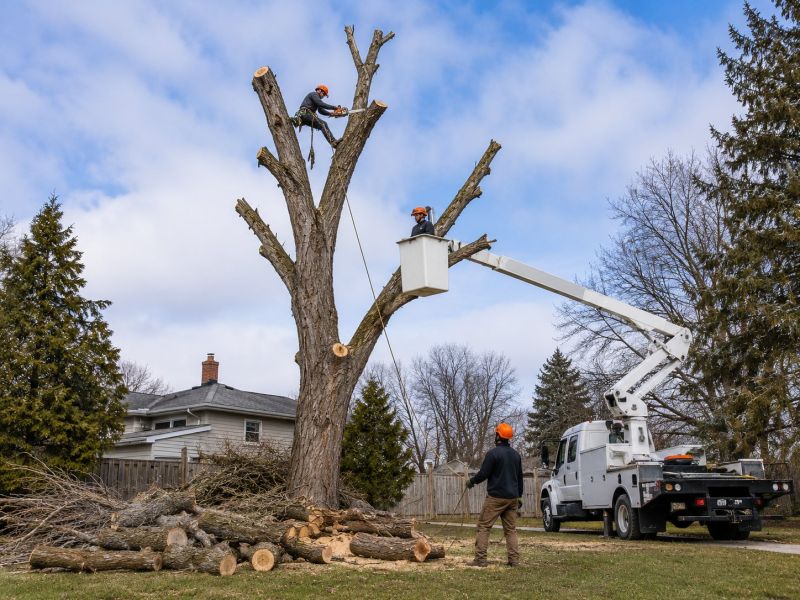
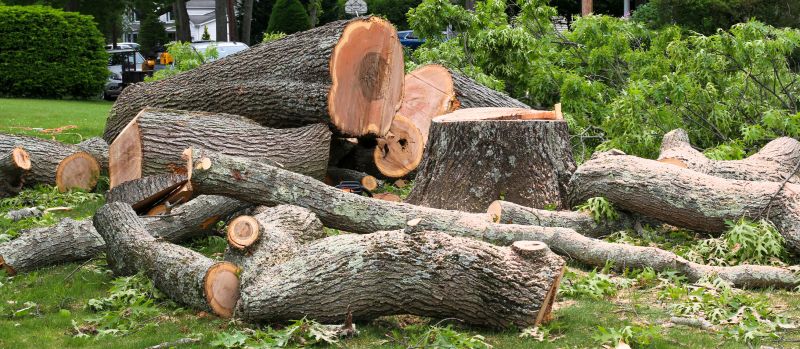
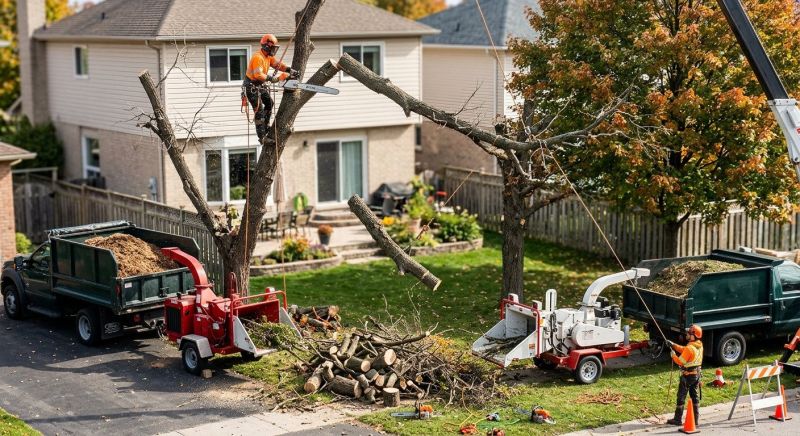
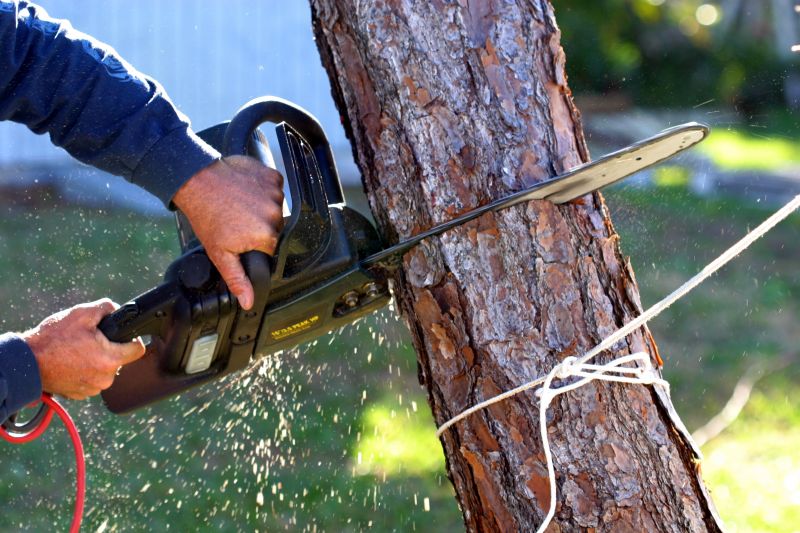
Dead tree removal services involve the safe and efficient removal of trees that are dead, dying, or pose a hazard to a property. This process typically includes assessing the tree’s condition, planning the safest approach for removal, and utilizing specialized equipment to cut and remove the tree and its debris. Projects often include removing trees that are close to structures, obstructing views, or causing potential safety risks, helping to maintain the safety and appearance of residential properties.
Homeowners considering dead tree removal should understand the importance of proper planning and execution to prevent damage to surrounding landscaping or structures. It’s also helpful to know whether the tree is located near power lines, fences, or other features that could impact the removal process. Contacting professionals can provide guidance on the best approach to safely remove a dead or hazardous tree and ensure the property remains secure and visually appealing.
Many property owners in Reno, NV look into Dead Tree Removal for repairs, replacements, upgrades, and appearance-related improvements.
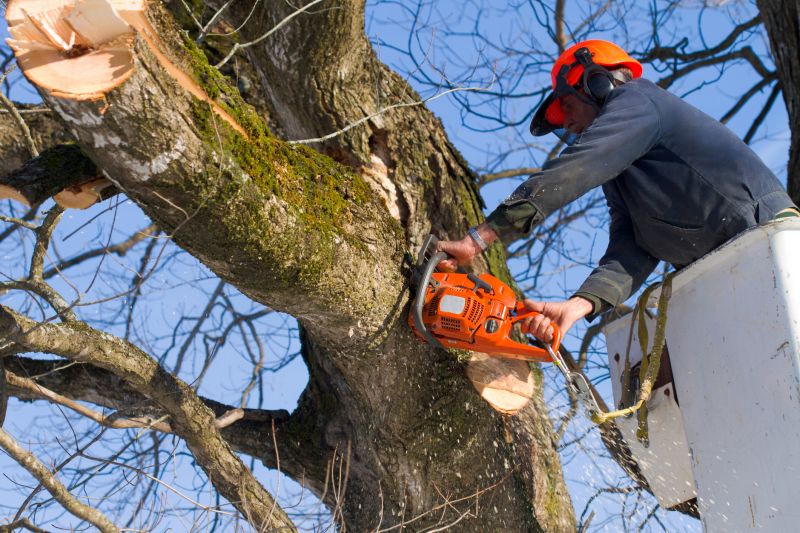
Reasons For Dead Tree Removal
Removing dead trees can improve safety and prevent property damage in reno neighborhoods.
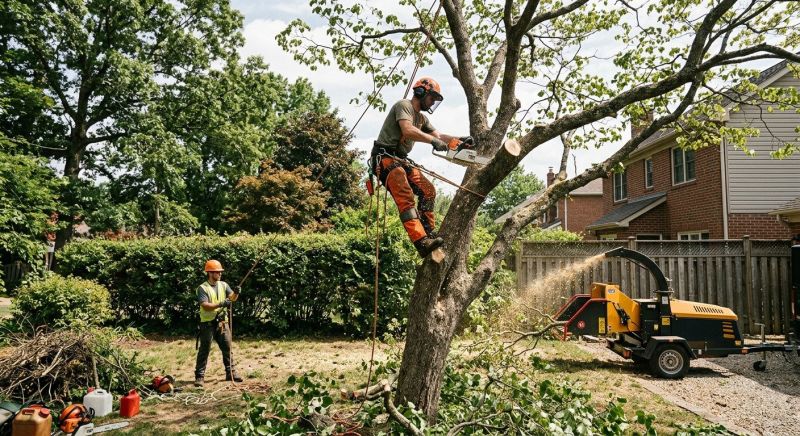
Signs A Tree Needs Removal
Indicators include dead branches, trunk decay, and leaning, which may threaten nearby structures.
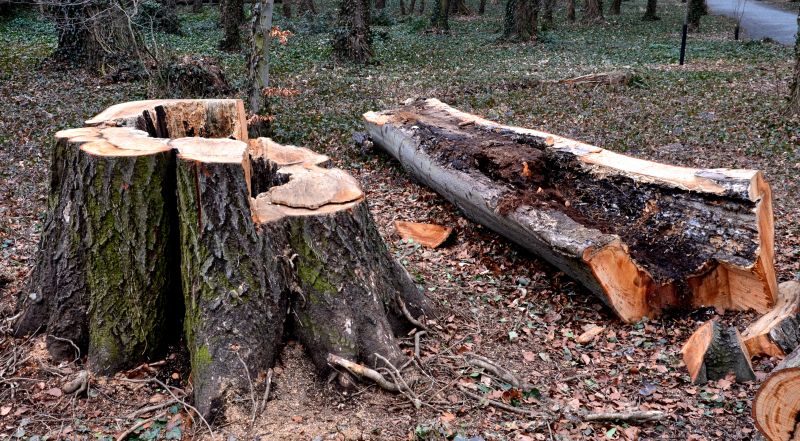
Benefits Of Professional Removal
Expert services ensure safe, efficient removal and help maintain the health of surrounding trees.
Dead Tree Removal in Reno, NV
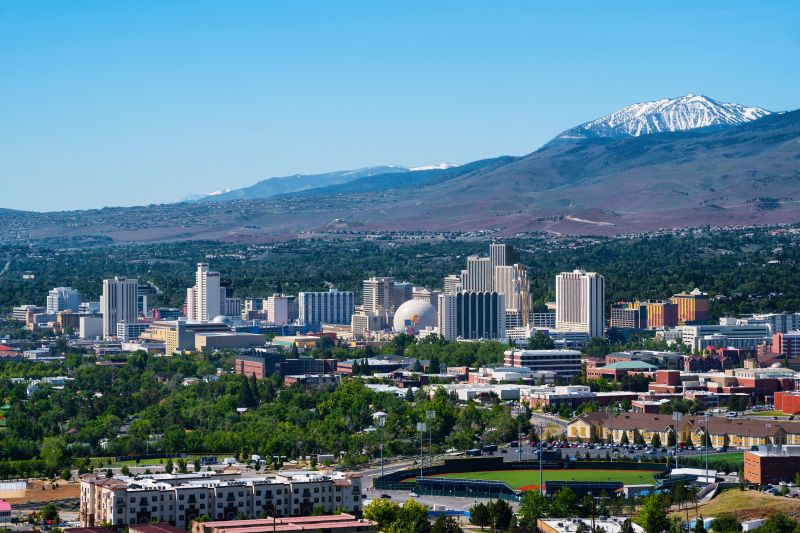
Dead tree removal services involve the safe and efficient removal of trees that are dead, dying, or pose a hazard to a property. This process typically includes assessing the tree’s condition, planning the safest approach for removal, and utilizing specialized equipment to cut and remove the tree and its debris. Projects often include removing trees that are close to structures, obstructing views, or causing potential safety risks, helping to maintain the safety and appearance of residential properties.
Homeowners considering dead tree removal should understand the importance of proper planning and execution to prevent damage to surrounding landscaping or structures. It’s also helpful to know whether the tree is located near power lines, fences, or other features that could impact the removal process. Contacting professionals can provide guidance on the best approach to safely remove a dead or hazardous tree and ensure the property remains secure and visually appealing.
Many property owners in Reno, NV look into Dead Tree Removal for repairs, replacements, upgrades, and appearance-related improvements.
Common Dead Tree Removal Jobs
Dead tree removal - safely removes hazardous or fallen trees to prevent property damage.
Stump grinding - grinds down remaining stumps to improve lawn appearance and safety.
Emergency tree removal - handles urgent situations involving storm-damaged or unstable trees.
Tree pruning and trimming - reduces dead or overgrown branches to promote healthy growth.
Land clearing - removes dead trees and debris to prepare the property for new landscaping or construction.
Hazard assessment - evaluates dead trees for potential risks and recommends appropriate removal solutions.
Dead Tree Removal Questions
When is dead tree removal necessary? Dead trees may need removal if they pose a risk of falling or have extensive decay that affects safety and property value.
What signs indicate a tree is dead? Signs include browning or wilting leaves, absence of new growth, and visible decay or damage in the trunk and branches.
How does dead tree removal impact property safety? Removing dead trees reduces the risk of falling limbs or the entire tree, helping to protect people and structures nearby.
What types of trees are typically removed? Commonly removed trees include those that are dead, severely damaged, or diseased, regardless of species or size.
Request Dead Tree Removal in Reno, NV
Use the quote form on this page to share the basics of your project and request more information for the type of work you need.